Friday, May 25, 2012
Observation
Wednesday night there was an awesome storm cloud. It was a clear night other than a approching thunderhead. It was bright white against the dark blue sky. I didn't see very many stars due to light pollution from Bee Ridge, but the lightning show was amaznig. I stood outside for about an hour with my sister trying to catch pictures of the lightning, eventually we shifted to video, which is cool because you can pause it then go frame by frame watching the lightning explode and light up the sky. I got two really cool ones, the rest my camera didnt pick up very well. The moon was towards the west waxing cresent. It was a really magical scene because the lightning was bright but there were only faint rumbles and a wonderful breeze. Summer storms are here.

APOD 4.7
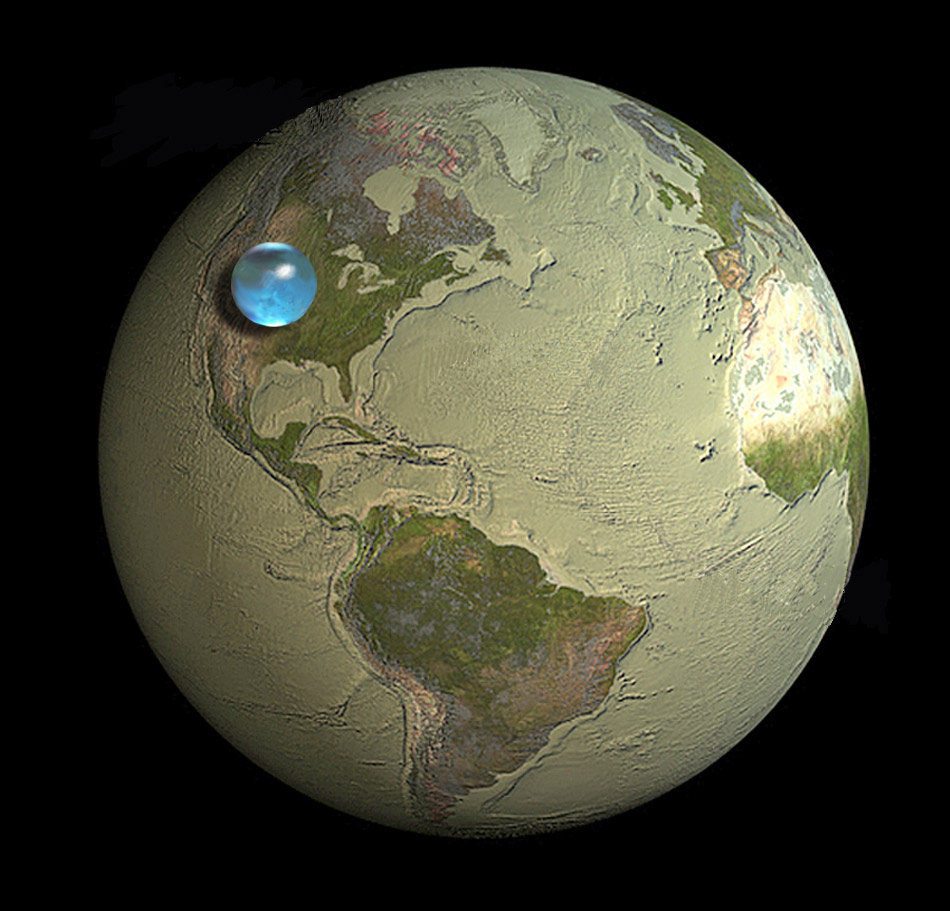
This picture shows all the water the Galileo space craft believes is in the moon Europa. Europa is the coolest moon to me beasue it has so much water on it. It has a thick ice layer that they believe cracks from internal forces recovering the moon's surface to it has no crater dents. Europa has 70% of Earths water hidden beneath the ice. Underneath the ice is a liquid ocean, thought to be simular to Earth's. ONe day we might be able to explore it, possibly seeing other life forms.
APOD 4.8
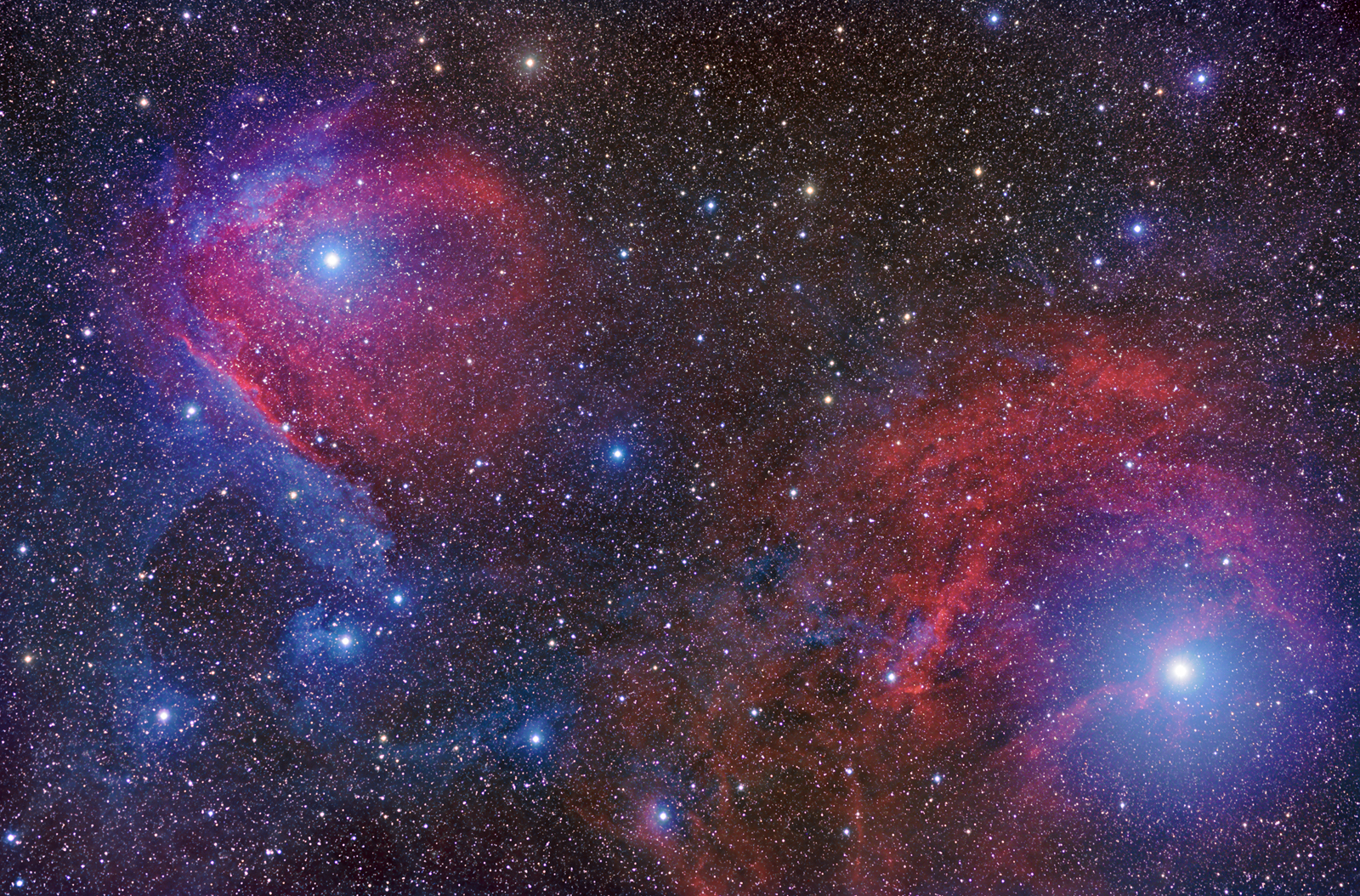
This year I haved learned how much there is in space. How much we can actually see and how much is invisible to us. Visible light is only 5% of the universe, 95% we can't see. X-rays, gamma and ultraviolet allow us to see most of what we are missing other than dark matter. Blue and red shifts show movement away and towards the Earth. It is really interesting to see how the universe is shifting and expanding. This picture is of Scorpius.I thought the universe was a vaccum but there is a lot of dirt, and water out there, forming into stars.
Wednesday, May 23, 2012
Zooniverse
I was hunting for planets around stars. Looking for transit features by fluctuations in light I could record possible stars with planets. First you see if the star is quiet or variable then see if it shows if there is a transit. My job is to label transits.
Monday, May 21, 2012
Allen Sandage Biography
Emily Gaubatz
Mr. Percival
Astronomy
21 May 2012
Allen Sandage
Sandage graduated from the University of Illinois in 1948 and got a PhD from Caltech in 1953. He was one of the first in that university to graduate from the astronomy program. Walter Baade was his teacher. Sandage worked at Mount Wilson with Hubble.
In 1950 Baade had discovered that Hubble’s estimate of the distance to the Andromeda Galaxy, 700,000 light years, was half too small, based on the identification of Cepheid variables in Andromeda. After Hubble passed away in 1953, Sandage continued his research. In 1958 he won the American Astronomical Society’s Warner Prize for outstanding achievement. He studied the physics and evolution of stars, allowing him to develop a method for aging stars that have left the main sequence of the Hertzsprung–Russell diagram. At the award ceremony for the Warner prize he released his latest work. He had recalculated Hubble’s measurements using the Hale telescope and found several miscalculations in the distance to other galaxies. Hubble had misidentified several objects in distant galaxies as supergiant stars, when really they were globular clusters, because of this Hubble’s distance guage was off. The Andromeda Galaxy was actually million light years away. The Virgo Cluster was also discovered to be fifty million light years away, not seven million.
Sandage’s findings changed the universe. He made it bigger. Sandage helped prove how large the universe is and pointed out that it was expanding.
Sandage came up with a new Hubble’s constant for universe expansion at 75 kilometers per second per megaparsec. Today’s best measurement is 71 kilometers per second per megaparsec, very close to Sandage’s estimate. From this constant he estimated the universe to be around 15 billion years old, close to today’s 13.7 billion years.
Later Sandage worked with the Hubble Space Telescope and discovered sunburst activity and black hole jets in the galaxy M82. He published the Hubble Atlas of Galaxies in 1961. He published over 500 scientific papers in his life. His last one was on RR Lyrae variable stars.
Thursday, May 17, 2012
APod 4.6
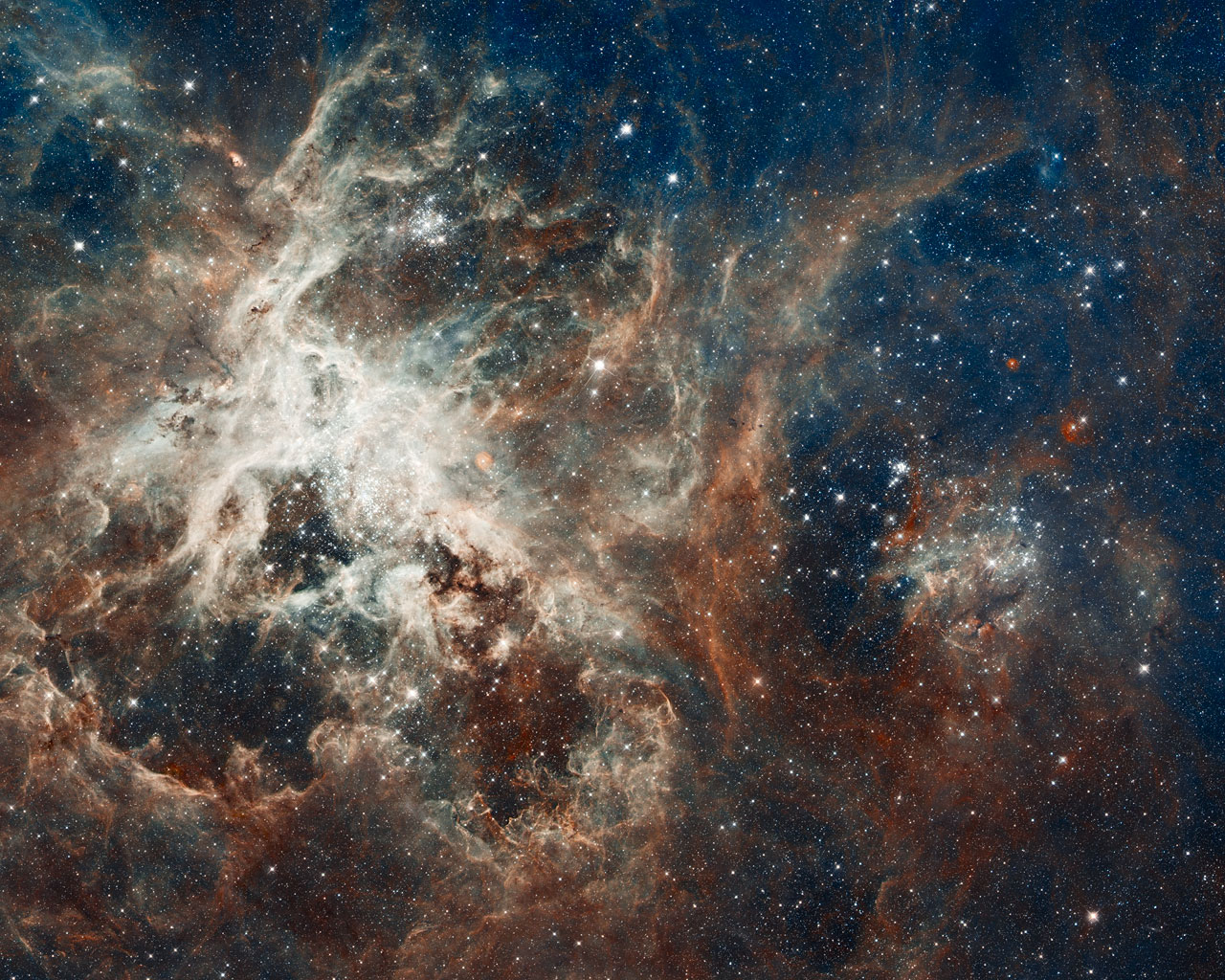
This is the Tarantula Nebula in the Large Magellantic cloud. It is about the same distance as the Orion nebula. It is also called 30 Doradus. The pink shows a massive emmision nebula, the dark regions are super nova remnants. R163 is the bright knot of stars left of the center, containing some of the largest, brightest and hottest stars known. This picture is one of the largest and most detailed mosiacs ever created by the Hubble Telescope. The picture is being celebrated in the 22 aniversary of the Hubble telescope.
Monday, May 14, 2012
Work Cited
Works Cited
Cooper, Keith. "Allan Sandage,
1926-2010." Allan Sandage, 1926-2010. Astronomy Now, 16 Nov. 2010.
Web. 14 May 2012. <http://www.astronomynow.com/news/n1011/16Sandage/>.
Tenn. "The Bruce Medalists:
Allan Sandage." The Bruce Medalists: Allan Sandage. Bruce
Medalists, 2010. Web. 14 May 2012.
<http://www.phys-astro.sonoma.edu/brucemedalists/sandage/index.html>.
Friday, April 27, 2012
APOD 4.5

Thursday, April 26, 2012
observation
My family and I sat out by a fire tonight from 8 to 10. We live in sarasta near Bee Ridge and Beneva. The light pollution is a little bad but we could still make out some constellations. The moon is a waxing cresent. Venus and Jupiter were visible but Jupiter set around 9. Mars was visible looking up and a little East. Above us I pointed out Leo, I think Leo Minor as well. Ursa Major was partly visible, easily located, looking for the big dipper. I told them about M 101 in the constellation. I told them how Coma Bernices is the direction of the center of the galaxy. I think I also saw the Gemini twins above the moon.
Astrocast
Why do we have weather?
Thermal gradients are the main key. The difference in tempurature and dense pressure around the globe as well as humidity causes conflicting winds causing weather. The sun determines these thermal gradients, causing certain parts of the Earth to be warmer was well as have seasons as we relolve around it. The jet stream is located between the poles and the subtropics, which is where weather, like hurricanes, are generated. Why doesn't snow melt even if its above freezing temperature? The snow keeps the land below it cold as well as the air above it, making it hard to get snow to melt away quickly. Even different foliage, such as new farms can have an effect on local weather. Though we know the Earths alignment to the sun almost exactly and how the sun effects us, it is impossible to correctly predict the weather far into the future. Little changes in wind, or tempurature can cause tropic storms.The sun and moon control the weather and tides of the Earth.
Thermal gradients are the main key. The difference in tempurature and dense pressure around the globe as well as humidity causes conflicting winds causing weather. The sun determines these thermal gradients, causing certain parts of the Earth to be warmer was well as have seasons as we relolve around it. The jet stream is located between the poles and the subtropics, which is where weather, like hurricanes, are generated. Why doesn't snow melt even if its above freezing temperature? The snow keeps the land below it cold as well as the air above it, making it hard to get snow to melt away quickly. Even different foliage, such as new farms can have an effect on local weather. Though we know the Earths alignment to the sun almost exactly and how the sun effects us, it is impossible to correctly predict the weather far into the future. Little changes in wind, or tempurature can cause tropic storms.The sun and moon control the weather and tides of the Earth.
Tuesday, April 24, 2012
APOD 4.3
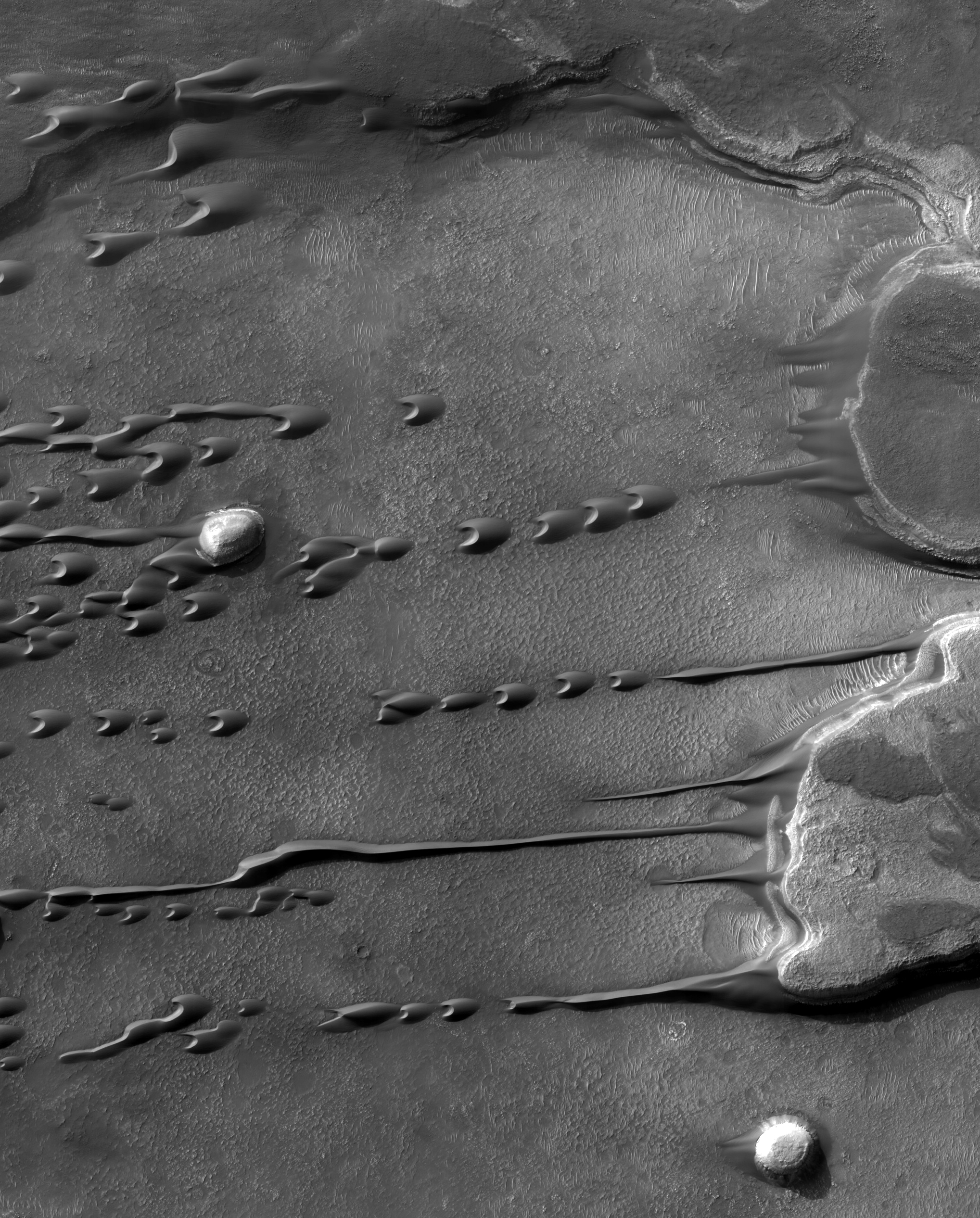
The simularities between Mars and Earth still amaze me. To think that this highly detailed picture was taken of another planet is hard to grasp. Since Mars has a higher temperature than the Earth in most places, water evaporates very quickly on its surface. Wind however is very strong on Mars during season changes. It pushes dunes and rockes into drip like formations, creating an apearance of water. The mesa in the picture also reminds me of Earth, how did it for on the planet. How simular was Mars to Earth and why did it change?
Friday, April 20, 2012
APOD 4.4
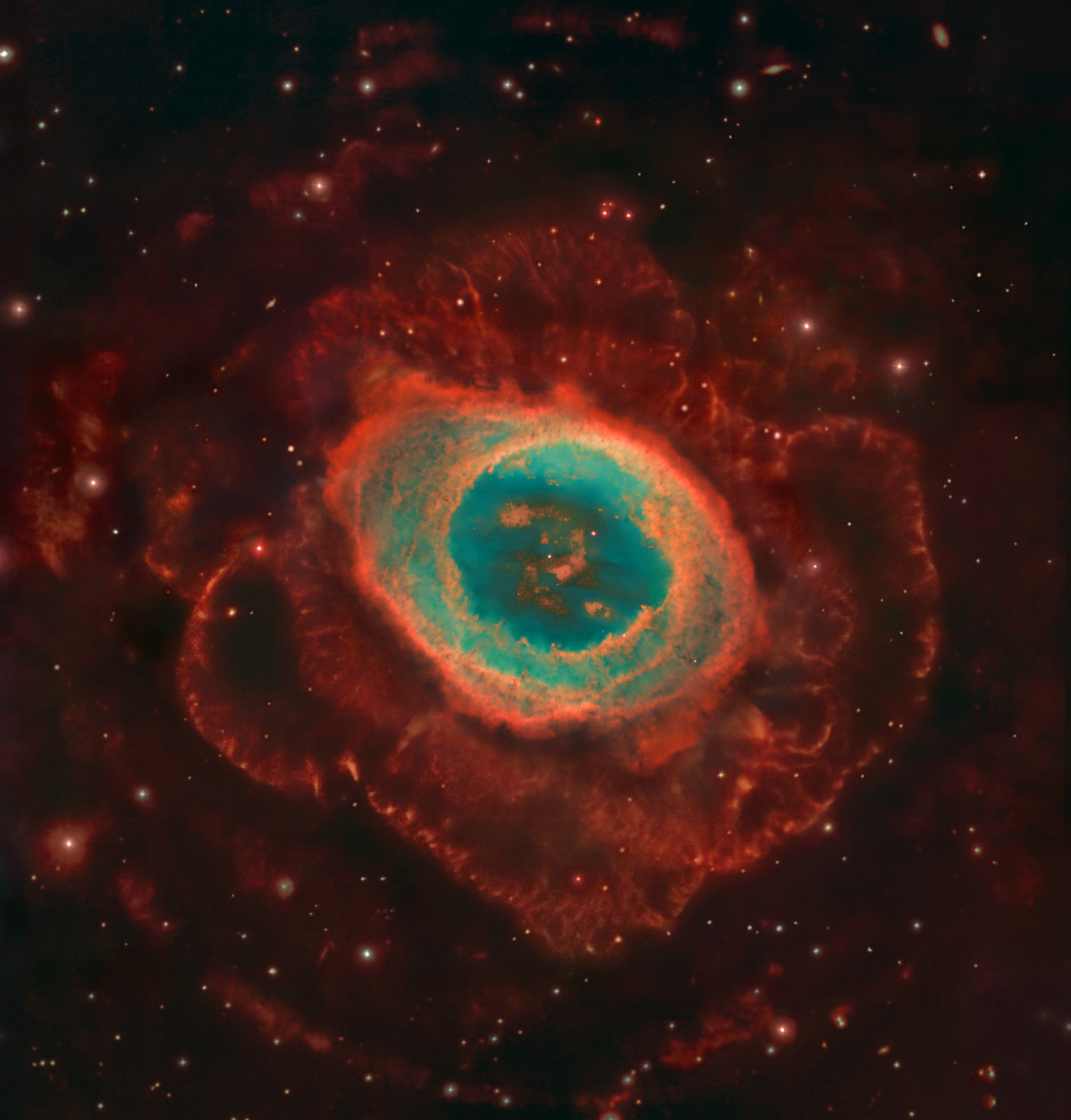
The Ring Nebula is one of the most photographic celestial bands other than Saturn's rings. The Earth is positioned so we look directly into the center, making it even more magnificent. The nebula is a shroud of a once sun-like star dying. It has a large expanse of ring like stractures branching away from the center. The intense ultraviolet coming from the center ionizes atoms in gas. Ionized oxygen atoms produce the greenish glow, while the reddish glow is produced by ionized hydrogen.The central ring is about one light year across and is 2,000 light years away. It is found in the constellation Lyra.
Thursday, April 5, 2012
APOD 4.2
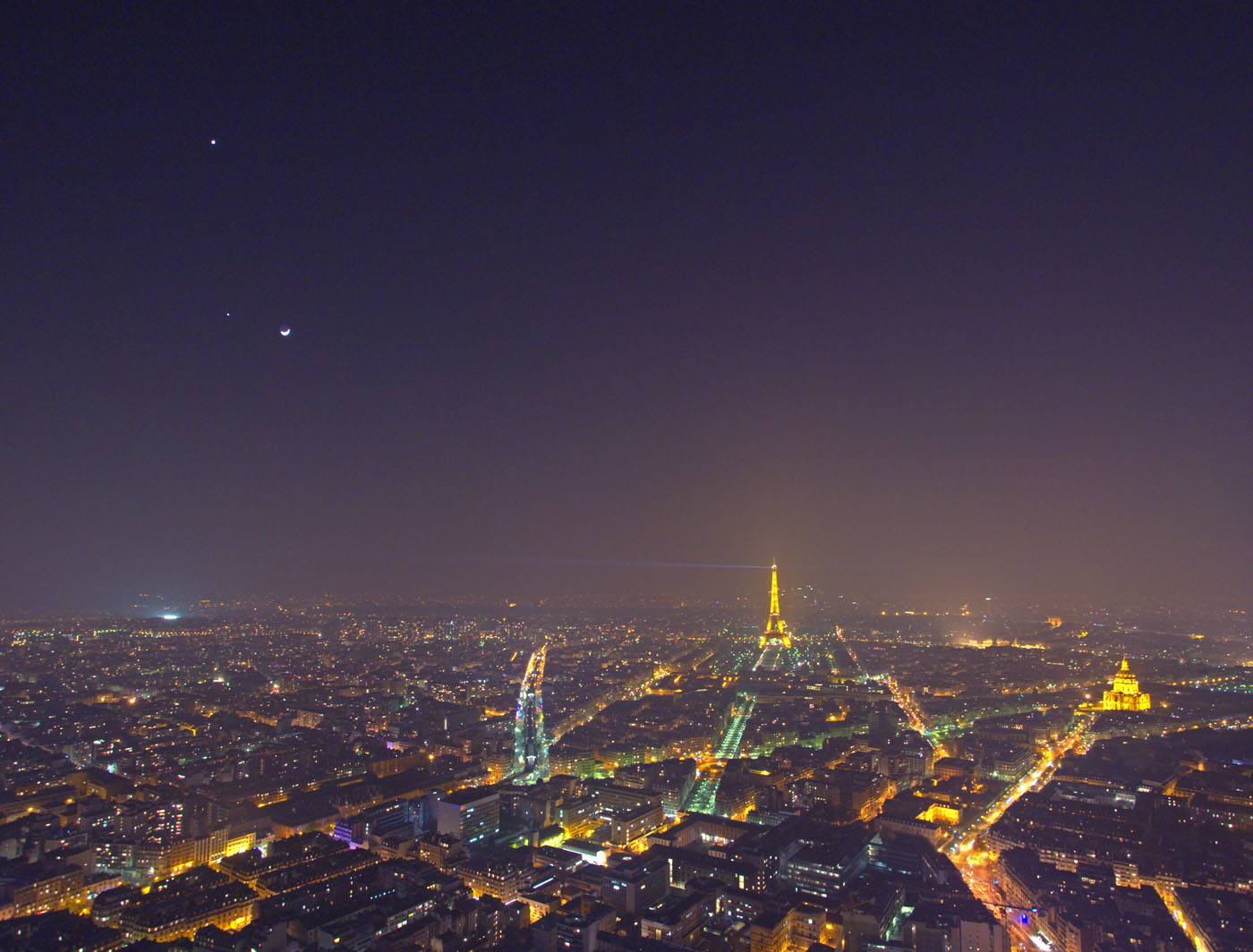
In Paris the only thing that you can see are the bright planets and the moon. Light pollution in SRQ is bad but not nearly this bad. I cannot deal with only seeing a few stars, whenever I go to my friends house out in Myaka I always stare at the sky at night. It is amazing to think at how much light can effect your vision. I think I can see well in myaka but out west, or above our horizon must be amazing. I cannot wrap my mind around how many stars are out there, and it is sad that our light covers them up at night.
Thursday, March 29, 2012
APOD 4.1
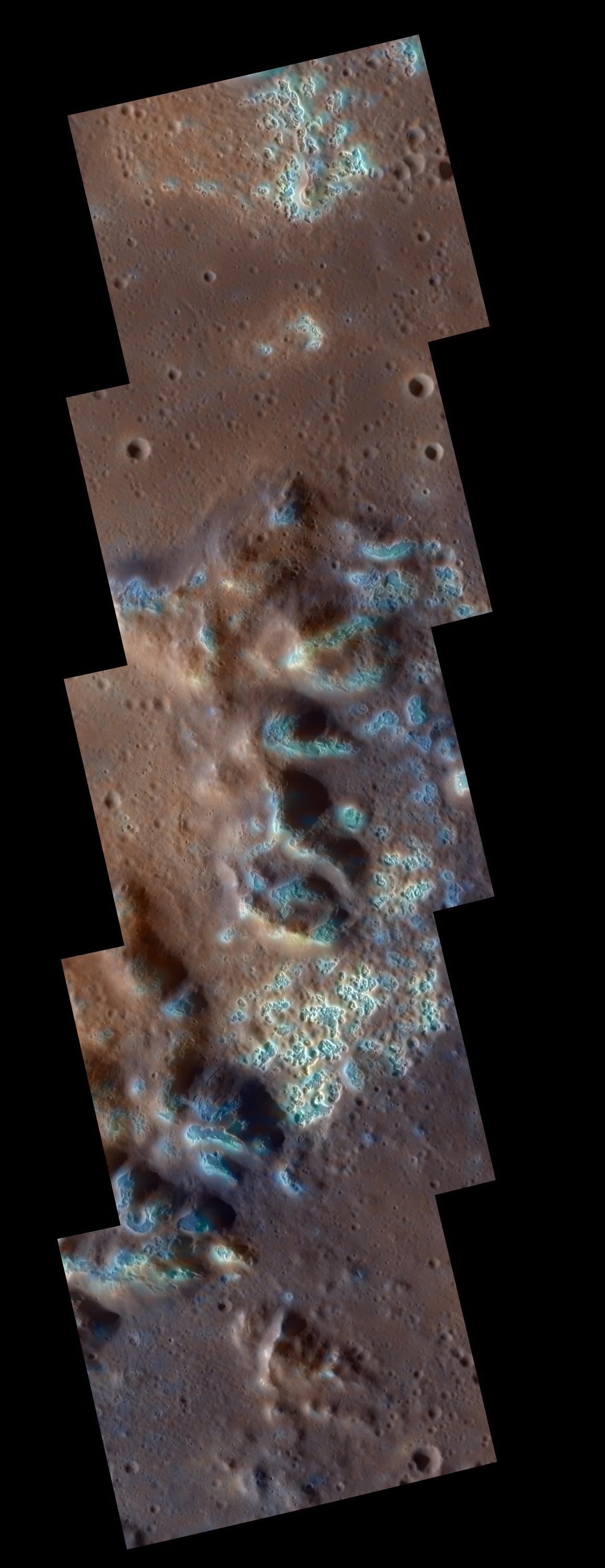
This is an uimage taken of Mercury, focusin on these odd blue features called hollows. They were taken by the space craft MESSENGER, which is orbiting Mercury currently. Scientists are not quite sure how they formed because they do not look like impact craters we see on the moon, or other planets. This picture was taken of the Raditladi impact basin, 40 km wide. one hypothesis is that they formed from sublimation of material exposed and heated when the violent impact occured that created the basin. The MESSENGER is the first spacecraft to orbit Mercury. It is scheduled to orbit into 2013.
Wednesday, March 28, 2012
Observation
March 27th around 8:20-9:20 in Lakewood Ranch. The light pollution was pretty bad but the moon, Venus, and Jupiter were spectacular. I couldn't see them well the last few nights because my house is surrounded by tall trees, as is the rest of my nieghborhood so on my way home from a game I was finally able to see their close alignment clearly. The moon was just a sliver, wanning into a new moon. Orion was easy to spot and I think Ursa Major or Canes Major. i explained to my parents all the constellations around orion that they couldnt see and how the Unicorn as the beautiful Rossett Nebula in it. I explained how we had learned about the different kinds of deaths of stars. My dad really liked the black hole stuff. Our car ride lasted about an hour as did the discussion on astronomy, once my dad gets going, he keeps on talking.
Oberservation
March 10th at siesta Key beach around 8:30 I was with some friends. It was a relatively clear night excpet some thin clouds near the horizon. Just barely over the top of some buildings we saw a huge orange moon starting to rise. It was just past a full moon so it was wanning. It was a weird oval shape and being near the horizon seemed to stretch it even further, making it seem like an egg. As we sat and watched the moon rise i pointed out orion, where other constellations would be, if the light pollution wasn't so bad, like the dove, and tarus, I think I found Ursa Major.I pointed out venus and jupiter as well. As the moon got up a little further it was intercepted by a thin cloud. The cloud was only a small line blocking the light of part on the moon. As it got to the middle it looked like a hamburger. After awhile the moon was white, getting high enough to get away from the horizon distortion. which I also attempted to explain to my friends. In total we stayed out there for three hours.
Wednesday, March 21, 2012
Supernovas

This is a picture of the crab nebula it is a pulsar. On July 4, 1054 A.D. It is believed that when it exploded it was as bright as the moon, so it was visible in the daytime sky. It is about 1800 pc away.

This is the remnant of the super nova Tycho. It was produced by the explosion of a white dawf star in our galaxy. The picture was taken in x-rays. Tycho Brahe discovered the supernova in 1572. It is located in the milky way about 13,000 light years from Earth. It is also thought it could have been seen in the daylight.

This is Cassiopeia A, taken by Chandra in x-ray. It is a 300 year old Supernova remnant. It is 11,000 lightyears away. It is the youngest known supernova remnant in our galaxy. It is believed it exploded around 1667. It was not recognized until 1980 by the astronomer William Ashworth. It is believed it wasn't an extremely bright explosion, it stayed near the brighness of a normal star.
Friday, March 9, 2012
APOD 3.8
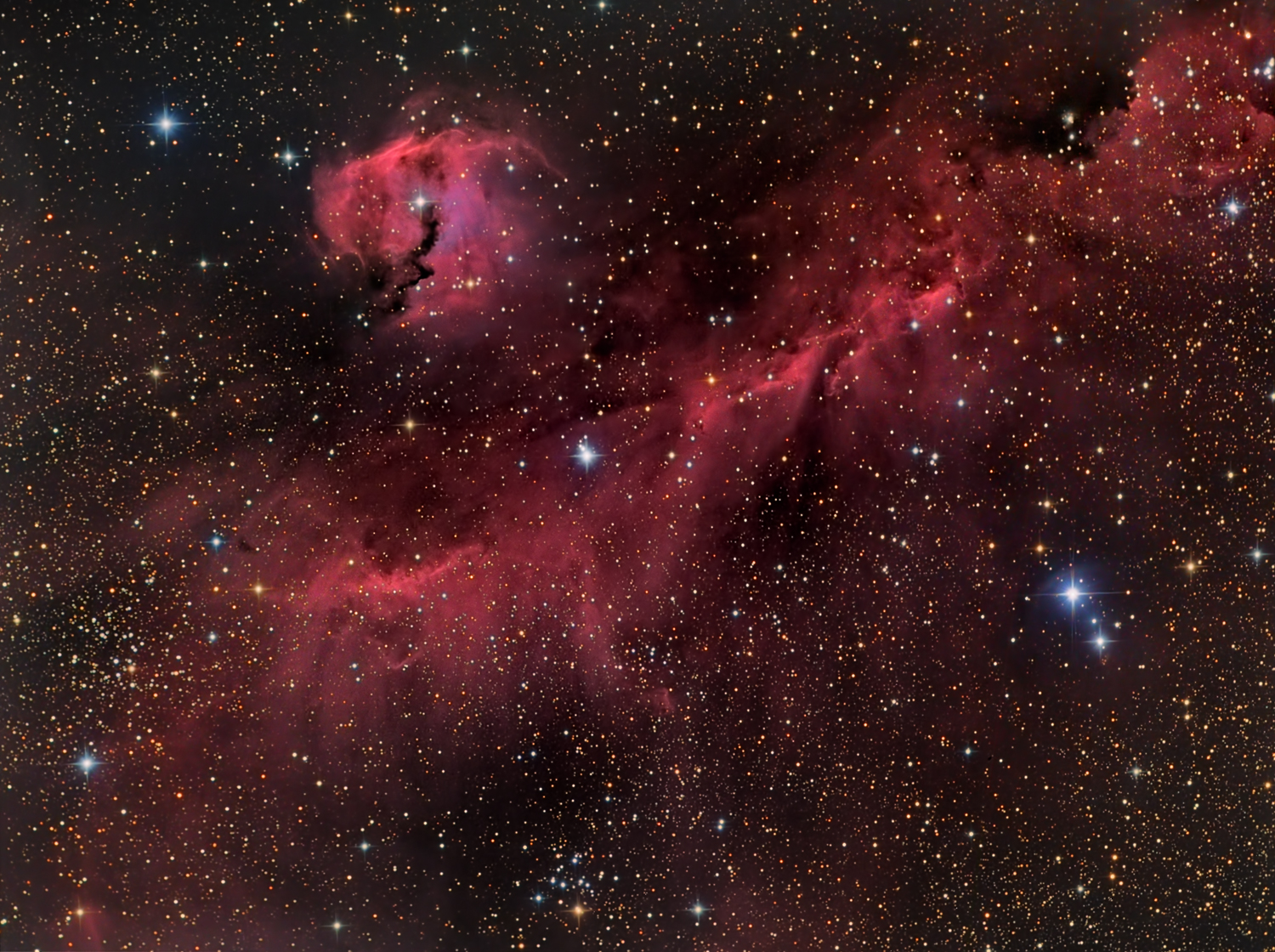
This is the Sea Gull nebula located near the constellation Monocerous. It is located near the star Sirius from Canis Major. A massive star is farming its head at the top of the nebula. The nebula has a reddish glow from the amount of hydrogen within it. THe nebula spreads over 100 light years at an estimated 3,800 light-year distance. After learning about nebulas and star formation I have much more appreciation for nebulas.
Sunday, March 4, 2012
Apod 3.7
http://apod.nasa.gov/apod/image/1203/eso510_hst_1435.jpg
Most galaxies are flat and thin. However some are warped. The actual cause of the warping is not currently known. Astronomers believe that our own galaxy is slightly warped as well. ESO 510-13 is captured in this picture some 150 million lightyears away. It is 100,000 lightyears away. It is cool to see how much is going on in our universe that we don't know about. There is still a lot to discover which is really exciting. It will be interesting to see what we find this decade.
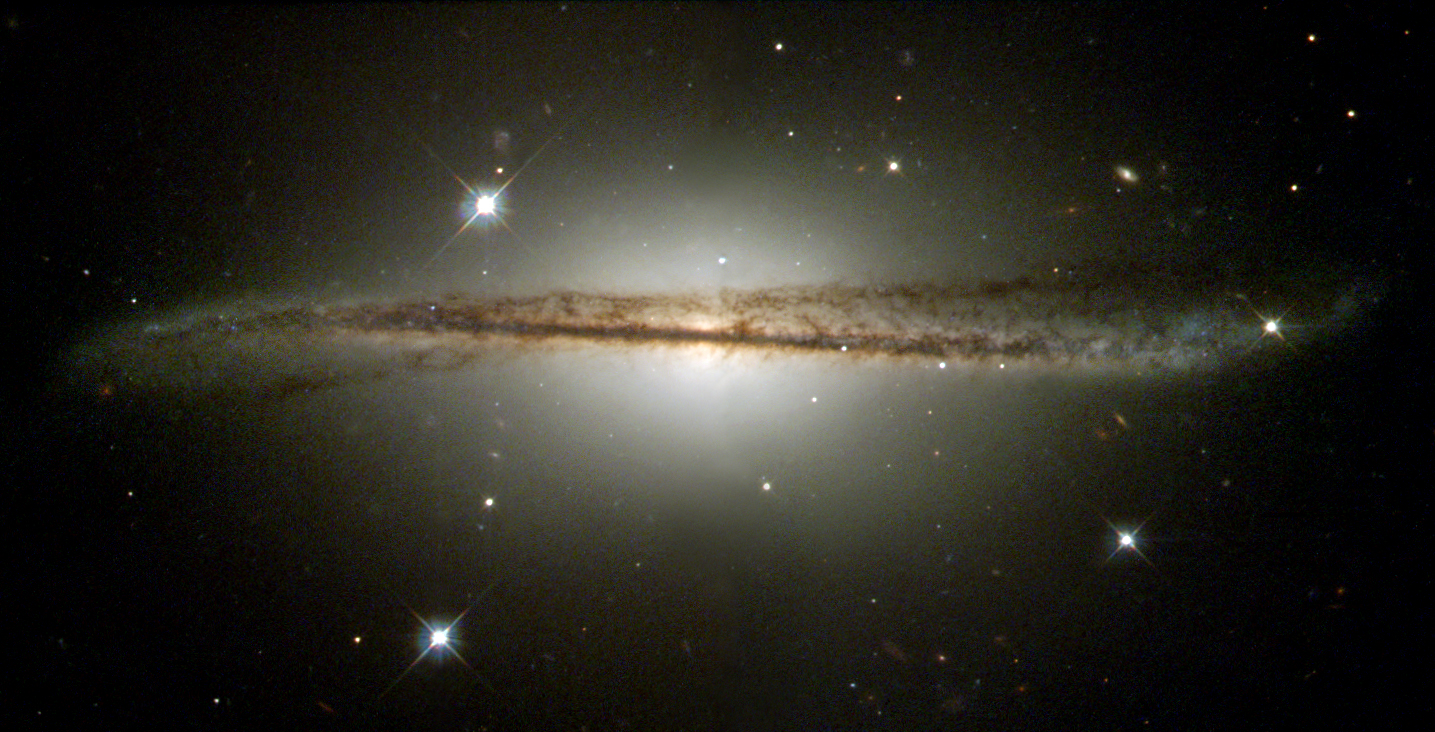
Most galaxies are flat and thin. However some are warped. The actual cause of the warping is not currently known. Astronomers believe that our own galaxy is slightly warped as well. ESO 510-13 is captured in this picture some 150 million lightyears away. It is 100,000 lightyears away. It is cool to see how much is going on in our universe that we don't know about. There is still a lot to discover which is really exciting. It will be interesting to see what we find this decade.
Friday, March 2, 2012
Jacobus Kapteyn
Emily Gaubatz
Mr. Percival
Astronomy
1 March 2012
Jacobus Kapteyn
Jacobus Kapteyn was born on January 19, 1851 in Barneveld, Gelderland. He is a dutch astronomer. He studied at the University of Utrecht to study mathematics and physics. After finishing college he worked at the Leiden Observatory for three years, then became the first professor of astronomy and theoretical mechanics at the University of Groningen. For awhile he didn’t have access to an observatory so he measured photographic plates for David Gill which resulted in the publication of Cape Photographic Durchmusterunq, which was a catalog listing positions and magnitudes of 454,875 stars in the Southern Hemisphere. He discovered Kapteyn’s star, it had the highest proper motion until Bernard’s star.
Kapteyn studied the proper motion of stars. His data had been the first example of galactic rotation. He used night photography and trigonometric parallax to measure the proper motion of stars. THrought this method he discovered two streams of stars moving in opposite directions, which we now recognize as the spiral of the Milky Way rotating. He organized a world wide effort to find out the structure and shape of the galaxy through his Plan of Selected Areas. By collecting data from different areas in the world he would be better able to figure out the galaxy’s structure. He had people record stars apparent magnitude and spectral type, trying to understand the size of the galaxy. He also had them record radial velocity and proper motion of the stars. There were a total of 206 zones were research was being recorded by 40 different observatories.
In 1913 he was awarded the James Craig Watson Medal. He retired in 1921 from the university at the age of seventy. At the request of one of his former students he went back to Leiden to assist in upgrading the observatory to contemporary astronomical standards. His life work the First attempt at a theory of the arrangement and motion of the sidereal system was published in 1922, it described a lens-shaped island universe which the density decreased away from the center, now known as the Kapteyn’s Universe model. He believed the universe to be 40,00 light years in size and the sun being 2,000 light years from its center. It is now thought that it is 100,000 light years in distance and the sun is 30,000 light years from the center.
After his death a telescope was named after him , becoming the Jacobus Kapteyn Telescope by the Isaac Newton Group of Telescopes.
Friday, February 24, 2012
more citations
"Jacobus Cornelis Kapteyn." Encyclopedia of World Biography. 2nd ed. Vol. 8. Detroit: Gale, 2004. 436-437. Gale Virtual Reference Library. Web. 24 Feb. 2012.
Document URL
http://go.galegroup.com/ps/i.do?id=GALE%7CCX3404703452&v=2.1&u=fl_sarhs&it=r&p=GVRL&sw=w
http://go.galegroup.com/ps/i.do?id=GALE%7CCX3404703452&v=2.1&u=fl_sarhs&it=r&p=GVRL&sw=w
APOD 3.6
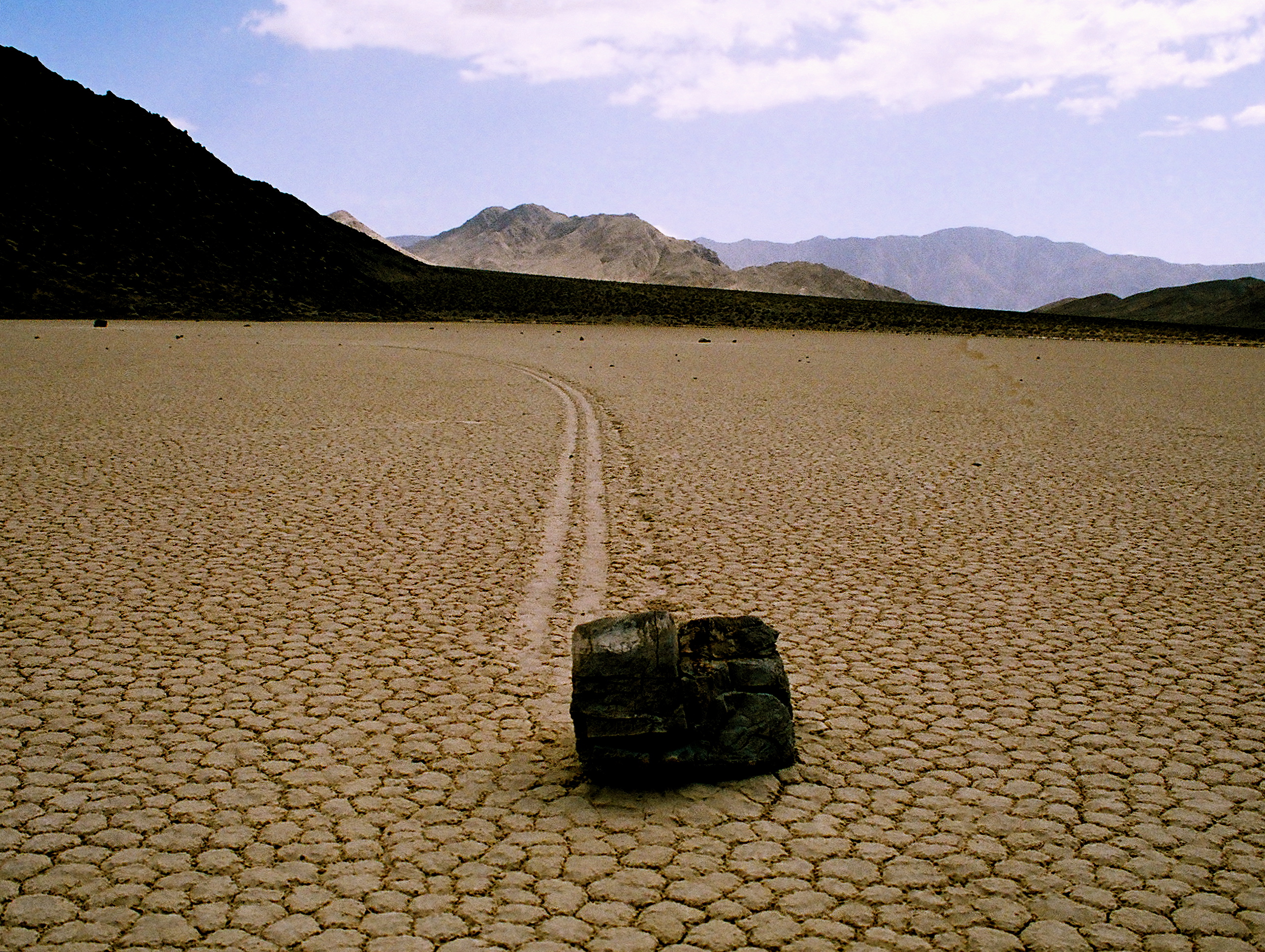
This rock was found in Death Valley in California. The valley is a dried river bed and is almost perfectly flat.The hypothesis of how they got to the middle of such a flat surface is that high winds after storms push these rocks across the valley. They are called sailing rocks. It is a funny idea that rocks up to 300 kg move across the surface. It adds another creepy and surreal affect to Death Valley.
Thursday, February 23, 2012
Work Cited
"The Bruce Medalists: Jacobus C. Kapteyn." The Bruce Medalists. 22 Feb. 2011. Web. 23 Feb. 2012. <http://www.phys-astro.sonoma.edu/brucemedalists/kapteyn/index.html>.
"Jacobus C. Kapteyn." NNDB: Tracking the Entire World. Soylent Communications, 2007. Web. 23 Feb. 2012. <http://www.nndb.com/people/657/000170147/>.
"Jacobus Kapteyn." Wikipedia. Wikimedia Foundation, 02 Oct. 2012. Web. 23 Feb. 2012. <http://en.wikipedia.org/wiki/Jacobus_Kapteyn>.
Star Formation
 |
| Orion Nebula |
Nebulas are the birth place of many stars. This one is the Orion Nebula. Stars are made up from dust clouds like this one, turbulaence deep within the cloud creats strong winds with sufficient mass. This allows the gas and dust to collapse under its own gravitaional attraction. As the cloud collapses the material at the center heats up, this hot core is known as a poststar. The hot core begins to gather dust and gas, growing in mass. remaining dust can form planets, comets, asteriods, or not form into anything. It is hard to study star development because it takes so long for them to form. It is predicted that it took our Sun 50 million years to reach a mature age. Scientists used to believe in a bottom-up theory that said that a small seed grew in size rather than gravitational collapse, a top-down theory. Becuase it is impossible for us to have seen a star form and mature or keep a study of a single star going for that long it is hard to say how stars really form.
Tuesday, February 14, 2012
Podcast
The Carina Constellation is one of the most likely canidates for a supernova explosions. It is in the Southern Hemisphere, it has one of the brightest stars in the middle of it and is much bigger and brighter than the Orian Nebula. Carina means keel of a ship. The nebula has an hour glass shape to it. the star almost exploded but didn't. It is 75 light years away. A lot of new stars are forming in it making it a much denser star region. Later in time it may look more like the Hiatees cluster only much greater. Aeta Carina may go Hyper Nova when it finally explodes sending off a lot of gamma rays. It has looked like it is going to go supernova serveral times. When it goes it will take out most of the other stars within the nebula leaving an empty gap. It is a truely amazing nebula it is beautiful and huge. It is a binary system so it is really cool and complex.
Friday, February 10, 2012
APOD 3.4
http://vimeo.com/36141149
This video displayes sequnces of auroras. I think auroras are really magical. Waves from the sun fire at us and our atmospheres catches them and it puts on a beautiful show. How does it produce such pretty colors and move across the sky like that? It looks like someone dumped color dye in water and it is seeping down to Earth. It is mind blowing how beautiful nature is and the things it can create. This video is really cool. It shows Auroras in Norway in different areas on different night with elapsed time.
This video displayes sequnces of auroras. I think auroras are really magical. Waves from the sun fire at us and our atmospheres catches them and it puts on a beautiful show. How does it produce such pretty colors and move across the sky like that? It looks like someone dumped color dye in water and it is seeping down to Earth. It is mind blowing how beautiful nature is and the things it can create. This video is really cool. It shows Auroras in Norway in different areas on different night with elapsed time.
Friday, February 3, 2012
APOD 3.3
 \
\The scene is spectacular. It is really amazing when the visibility of stars is good and bright. This picture was taken in the Canary Islands, in theTeide National park. This landscape is used for testing future Martian rovers because of the volcanic landscape. When I went on vacation in the West, we went from Montana to Arizona. Out there the sky breath taking. We stopped at the Grand Canyon and spent a night. There were so many stars and I could see the milky way. Even more magnifisent was the Zion National Park. I saw three shooting stars while there and had never seen so many stars in my life. In Utah or Arizona we also went to an Observatory. I miss the night skies there, I really want to go visit that part of the states again.
Friday, January 27, 2012
APOD 3.2

It is winter on Mars and the probe Opportunity is having a hard time trying to find enough sunlight to keep itself running, since it it powered by solar energy. It was given the instrustions to go to Greeley's Haven which is a rocky incline which would allow the probe to recieve more sunlight. I love seeing pictures taken by probes on different planets. It amazes me how simulare the surface of something so far away can look to the Earth. It is hard to grasp that Mars is even real or to consider that we have something taking pictures on it. It is really cool. If I hadnt been told this was Mars I would have thought it was Earth. It is incredible what is out in space and really neat that we have been able to learn more about it.
Friday, January 20, 2012
APOD 3.1
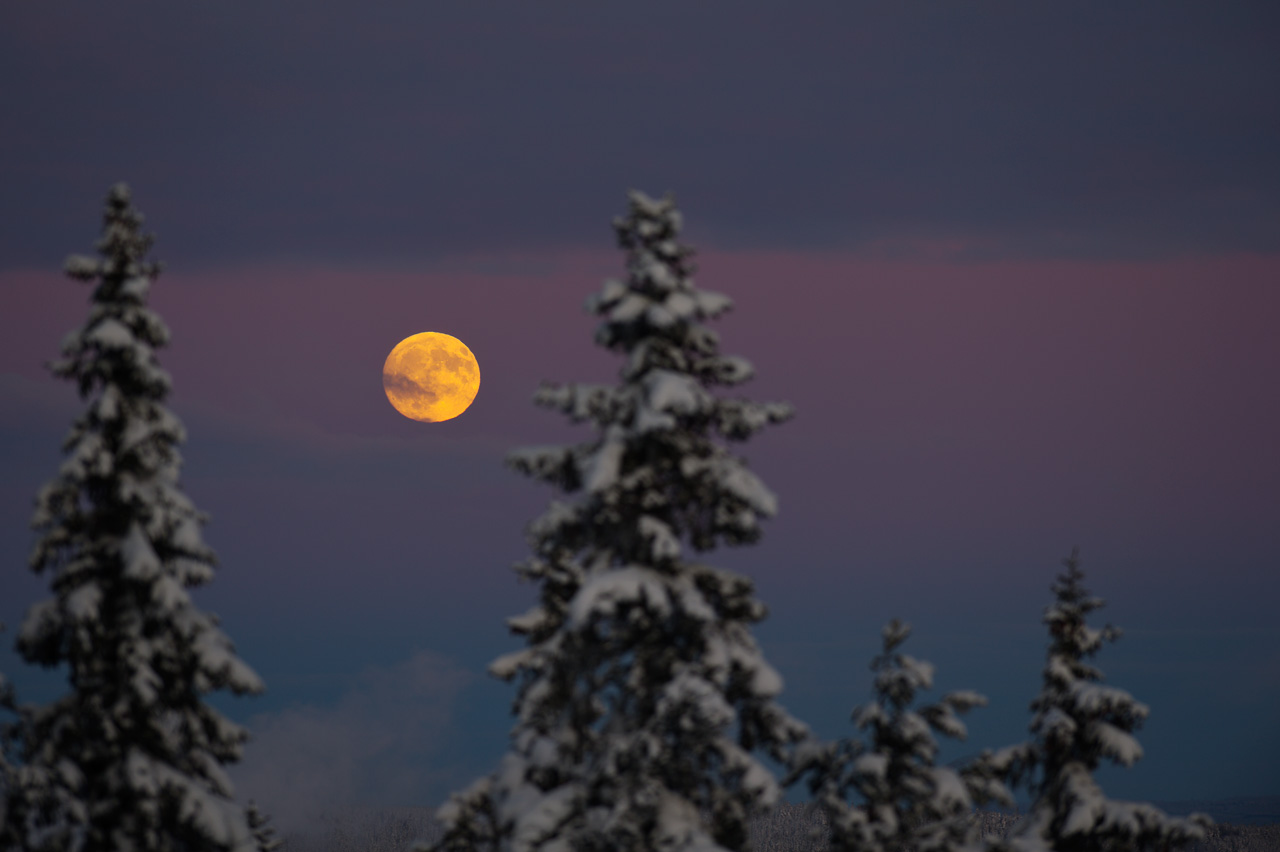
Rising and setting full moons are always a beautiful sight near the horizon. Due to the atmoshpere and optical illusions the moon appears larger and orange. The bright moon is captivating to say the least. I love going to the beach when the moon sets to see it turn orange as it sinks into the water. Before this class I wasn't sure why the moon looked bigger or changed color so it is cool to finally understand. This picture is really beautiful, the glowing orange moon contrasting the cool grey sky over the white landscape.
Friday, January 13, 2012
Observation 12/13/12
Tonight the sky is pretty clear in Sarasota. I'm in the back yard of my friends house who is closer to downtown so the visibility is a low 4. However I can see Orion and I'm pretty sure I can spot Mars. The Summer triangle is close to the horizon so it is hard to see all of it because of trees. Mars rose first first and the waning gibbous rose second. I can also see the big dipper. I observed from 9 to 10.
Podcast
Scientists have come up with a system to rate asteroids just like they do for Earth quakes so people know how to prepare for it. The scale was last revised in Turin which explains the name. Now any asteroid that has a possibility of hitting the Earth gets a put into the scale of how much damage it could cause. The scale goes from 0 to 10. The scale measures the energy of the asteroid. The scale helps people know space weather basically. Is there a high chance raining asteroids today? To what damage. This information is now more readily accessible to everyone, so now we can properly prepare for impending asteroids.
Podcast
On June 30, 1908 something exploded over the Tunguska region of Siberia. It flattened thousands of square kilometers of forest. The power it released was close or even greater than the most powerful nuclear weapon ever detonated. At 7:15 out of no where something streaked across the sky which was supposedly as bright as the sun. It then exploded knocking people off their feet and breaking windows. The shock from the explosions was detected as far as Britain. Not too many people were disturbed by the shock because it was during WW1. The sky continued to light up for a few nights. Even so the event wasn't really looked into until 1920. THe entire area of damage was over 800 square miles. Scientist believe it was a comet that exploded in the atmosphere that caused such a massive event
APOD 2.8
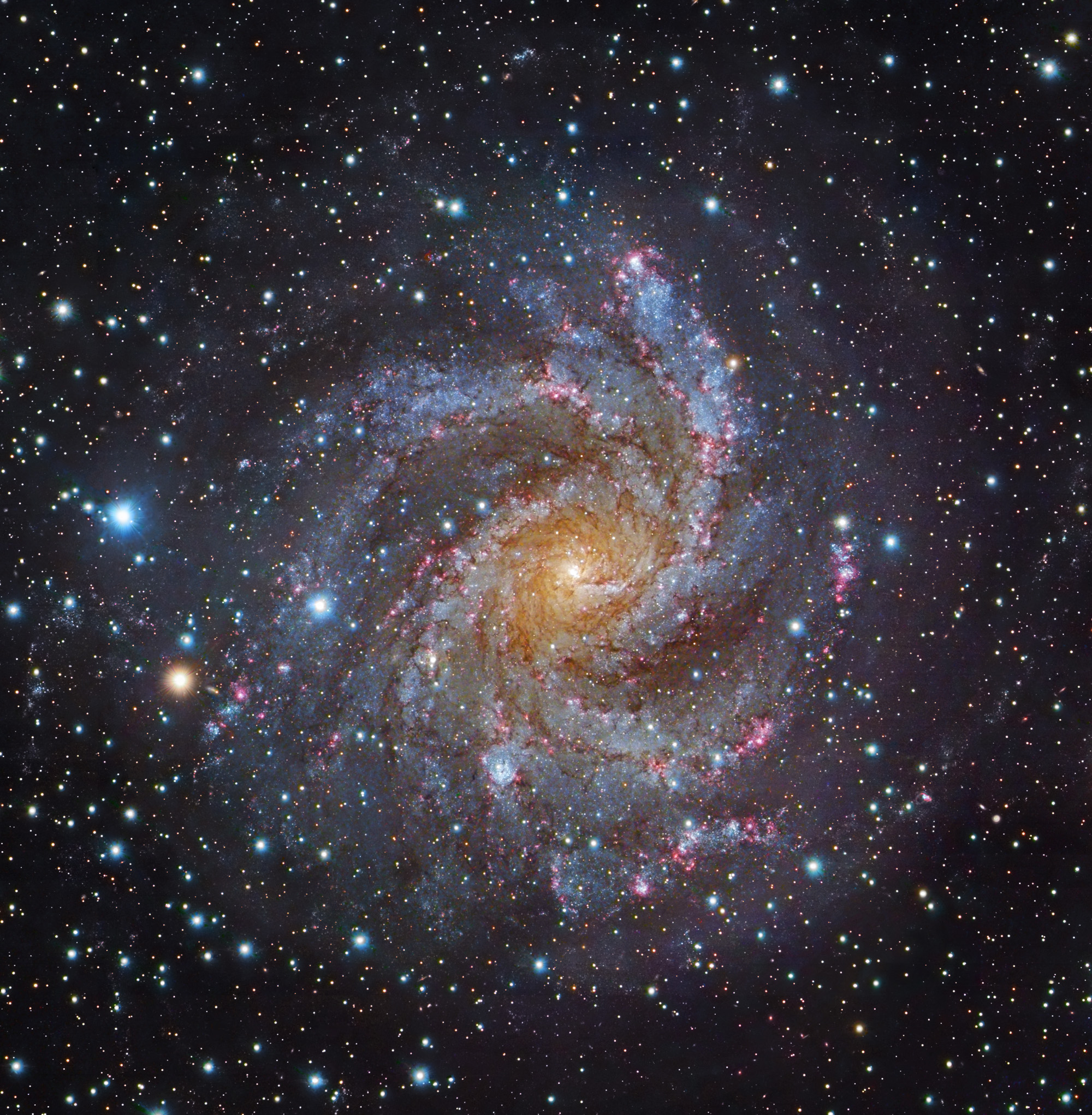
This picture shows the beautiful spiral galaxy. The Spiral Galaxy is located 10 million light- years away and directly faces Earth. the color of old yellow stars in the center goes to blue and red colored stars that are younger. NGC 6946 is bright in infared light. I shows high birth and death rates throughout the galaxy. Since the 20th century at least nine supernovas have occured. This picture is beautiful. It is really cool to see deeper into space. Space is so amazing.
Tuesday, January 10, 2012
William Cranch Bond Bio
Emily Gaubatz
Mr. Percival
Astronomy
1/10/12
William Cranch Bond
William was born in Falmouth, Main in 1789. He apprenticed his father becoming a clock maker as his first career. in 1806 he saw a solar eclipse when he was 17, peeking his interest in astronomy. In his first house he built an observatory in his parlor that had a hole in the ceiling so he could have a telescope out it. In 1815 Bond was hired by Harvard University to gather information on European observatories. Bond later moved to Harvard with his astronomical equipment and serve unpaid as its Astronomical Observer to the University.
In 1843 Harvard was able to raise enough money towards building a high end observatory due to a sun grazing comet that aroused interest. Bond helped supervise construction of the observatory at Harvard as well as the observing chair which are both still in working order today. The observing chair was on tracks and could be adjusted to go up or down depending on where the eye piece was. Harvard also purchased a 15-inch refracting telescope, which was equal in size to the largest ones in the world at that time in 1847. It was built by Merz and Mahler of Munich and earned the name the Great Refractor. The telescope was first pointed at the moon in 1847. Bond became its first director.
During the later years of his life William Cranch Bond and his son, George Philips Bond worked together in their astronomical studies. He and his son discovered Saturn’s eighth satellite, the moon Hyperion in 1848. In 1850, Bond and his son turned the telescope towards Saturn discovering it’s inner ring, Crape Ring. Later in his career he began working with John Adams Whipple, together, Bond and his son pioneered astrophotography. Their first daguerreotype was taken of Vega in 1850 using a hundred second exposure. They also achieved taking one of the earliest photographs of a double star, Mizar and Alcor which are in the Big Dipper’s handle using wet-collodion plates. Total they took between 200 and 300 pictures of celestial objects. A crater on the moon is also named after William Cranch Bond. Most of Bond’s studies focused on the Orion Nebula and Saturn. A section of Hyperion is called Bond-Lassell Dorsum. An asteroid discovered by Metcalf in 1913 was called Bondia also honoring the Bonds. Both William Cranch Bond and his son played a large roll in astronomy during their lifetimes.
William Cranch Bond died in Cambridge on January 29, 1859.
More work cited:
"Bond, William Cranch." Complete Dictionary of Scientific Biography. 2008. Encyclopedia.com. 10 Jan. 2012 <http://www.encyclopedia.com>.
Monday, January 9, 2012
observation
From about 7:00 to 9:00 I sat out in my backyard. The moon was almost full, today it is full. I saw Venus easily. Constellations were hard to see because I live by Bee Ridge so the visibility is a three, a four on a good night. It was also a little cloudy. The clouds did make a really cool effect on the moon though. The moons rays created a halo around itself in the clouds creating a blue icy veil. I love seeing the moon shine off of clouds, it is always so pretty. The moon was to the East, slightly North East. We used my mom's Ipad with the stargazing ap to locate constellations but we couldn't really see any full constellations without it.
Friday, January 6, 2012
APOD 2.7

This picture accuratly captures the elegant beauty of Auroras. This picture was taken in Norway. It is cool because you can really see the bend of the magnetic field being bent towards the North Pole. It is caused by blasts from the sun that blow around the Earth making these beautiful sights. They usually don't reach under 60 km and can get up to 1000 km. The Auroras circle around Earth's magnetic poles. Seeing an Aurora is definatley on my bucket list.
Thursday, January 5, 2012
APOD 2.6

Anartica is an ideal place for searching for meteorites. Because the ice freezes clear it is easy to spot rocks caught in the ice, which are most likely meteors. In other places around the world, forests, mountains and oceans get in the way. Snowmobiling explorers have found thousands already. Meteors can help us find out more about Mars Comets and the moon, as well as places such as the Kiper belt. I think it would be really cool to go looking for meteors and have something thats flown around space. I don't think I would be able to handle the freezing temperatures of Anartica though.
observation
On New Years eve I went out to Siesta beach around 11:20 and stayed until 12:20. It was a really clear night and the stars were easy to see. I identified Pegasus and Orion. I believe I found the Summer Triangle as well.The most amazing thing that night however was the moon. It was a quarter moon but its half was facing the water, making the moon light relfected brightly in the sea. The moon was setting while we were there, it becam larger and more orange. It looked like a cup going into the water. the relfection became more orange too. It was a cool effect when the moon got really close to the horizon. I believe the moon set before midnight. It was quite the sight. A great way to end and start the new year.
Biography work cited
Kronberg, Christine. "William Cranch Bond (1789-1859)." SEDS Messier Database. SEDS, 2007. Web. 05 Jan. 2012. http://messier.seds.org/xtra/Bios/wcbond.html.
“William Cranch Bond.” Science and Its Times. Ed. Neil Schlager and Josh Lauer. Vol. 5: 1800 to 1899. Detroit: Gale, 2000. Virtual Reference Library. Web. 4 Jan. 2012.
Sunday, January 1, 2012
APOD
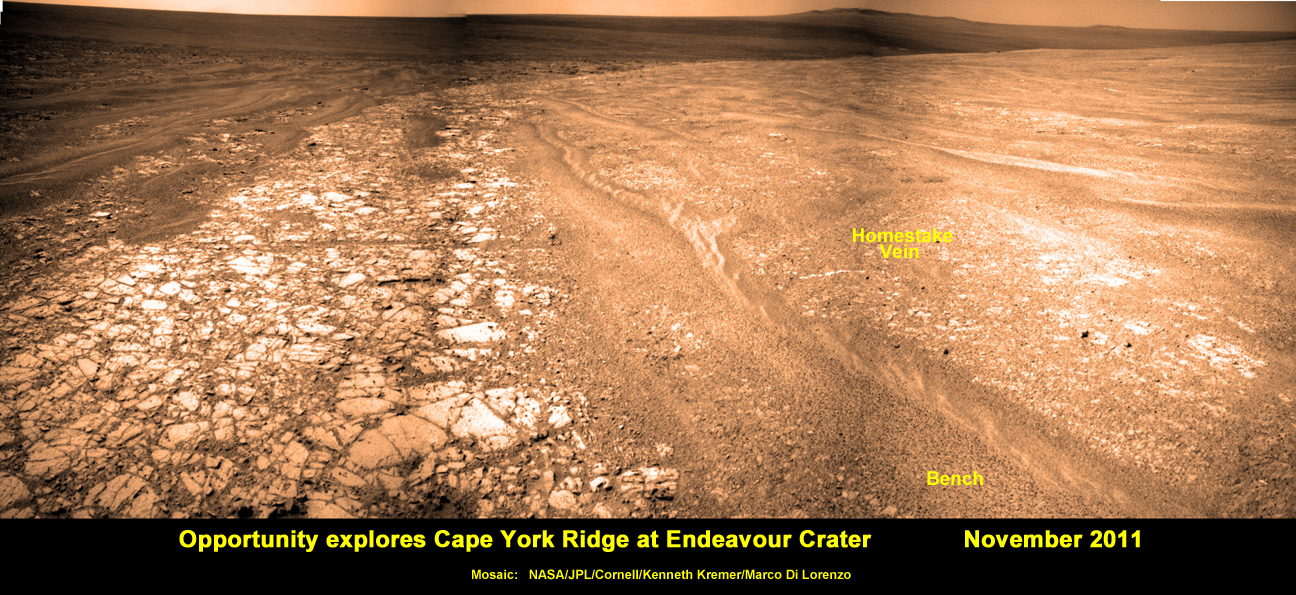
It is weird to see a picture of another planet and actually process that it is from another planet. Another whole world miles away. Mars looks a lot like Earth's surface so it is hard to wrap the mind around the fact that that isn't a picture of a dessert on Earth. The thought that there are other huge worlds out there some simular to Earth really interests me. It is really cool to think about what it would be like to go stand on Mars or a planet possibly out of our solar system. It is very hard for me to believe that we are the only planet out there that has living organisms. They might just be very different.
APOD
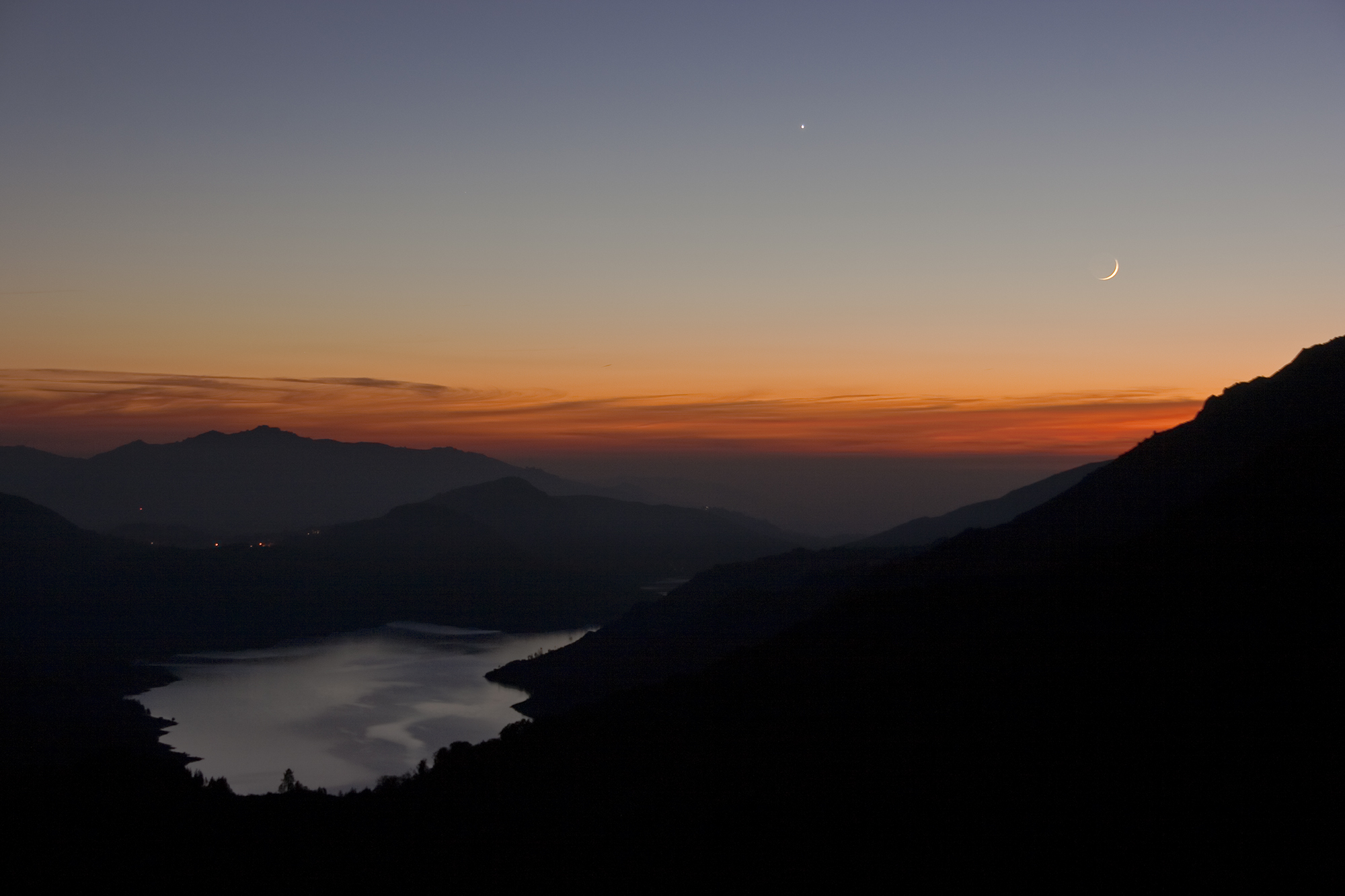
Venus is captured in cunjunction with a 35 hour young moon. It rises above Portugal's Peneda- Geres National Park. Mercury is out of frame but is below the moon. I really enjoy watching the moon rise and set it is always a beautiful sight. In this picture it is cool because you can see the whole moon even though it is a cresent because the sky is still bright.
APOD
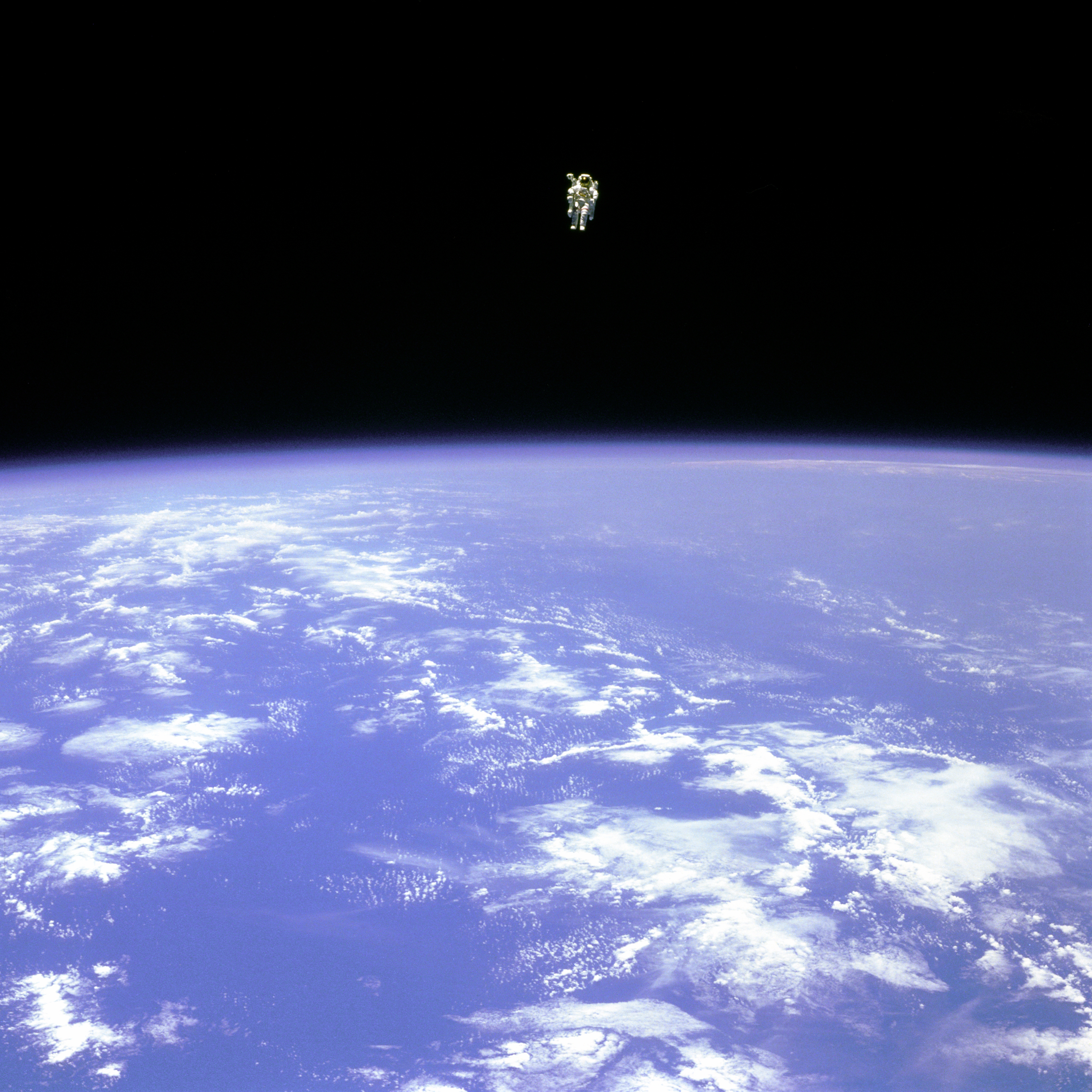
Bruce McCandless II is 100meters away from the cargo of the shuttle the Challenger. Making that the furthest anyone has gone from their ship. No strings attached, he floats manuvering with an MMU. It is an amazing picture to see someone just floating above Earth. I think I would not feel comfortable not being attached and going so far from the shuttle. There isn't wind to carry someone off in a gust but I feel like I'd get hit by solar blast or get pulled into the Earths gravity, or simply keep floating. It would be an awesome experience however, I would want a rope.
Subscribe to:
Posts (Atom)