Friday, May 25, 2012
Observation
Wednesday night there was an awesome storm cloud. It was a clear night other than a approching thunderhead. It was bright white against the dark blue sky. I didn't see very many stars due to light pollution from Bee Ridge, but the lightning show was amaznig. I stood outside for about an hour with my sister trying to catch pictures of the lightning, eventually we shifted to video, which is cool because you can pause it then go frame by frame watching the lightning explode and light up the sky. I got two really cool ones, the rest my camera didnt pick up very well. The moon was towards the west waxing cresent. It was a really magical scene because the lightning was bright but there were only faint rumbles and a wonderful breeze. Summer storms are here.

APOD 4.7
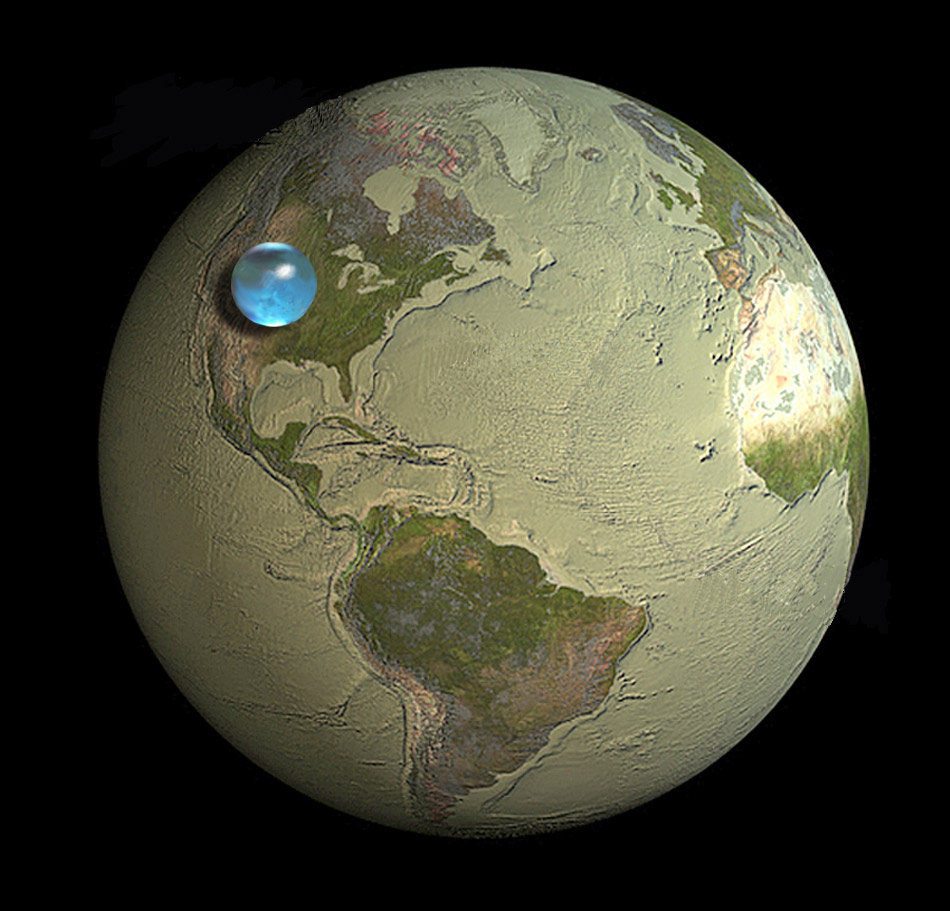
This picture shows all the water the Galileo space craft believes is in the moon Europa. Europa is the coolest moon to me beasue it has so much water on it. It has a thick ice layer that they believe cracks from internal forces recovering the moon's surface to it has no crater dents. Europa has 70% of Earths water hidden beneath the ice. Underneath the ice is a liquid ocean, thought to be simular to Earth's. ONe day we might be able to explore it, possibly seeing other life forms.
APOD 4.8
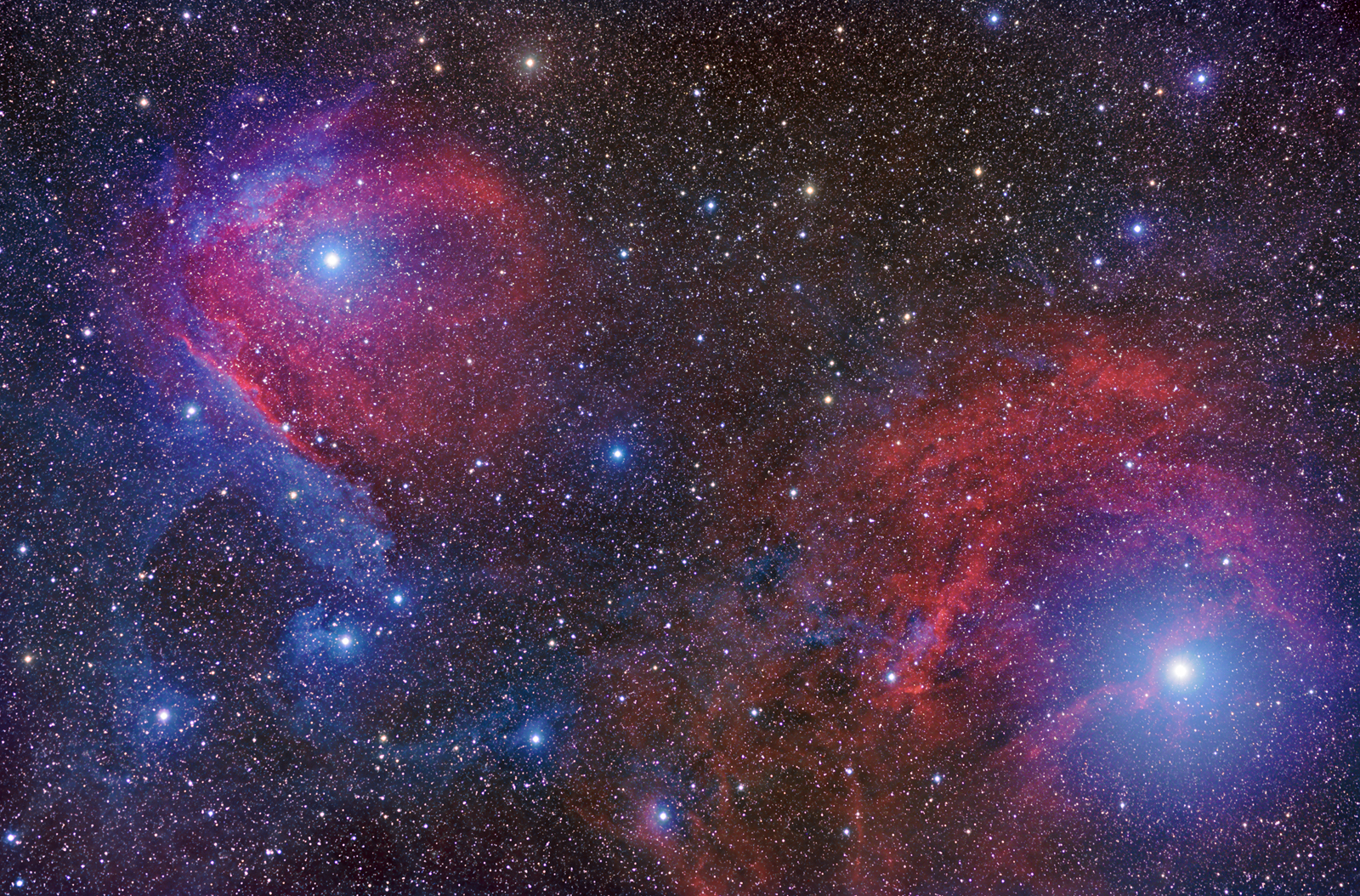
This year I haved learned how much there is in space. How much we can actually see and how much is invisible to us. Visible light is only 5% of the universe, 95% we can't see. X-rays, gamma and ultraviolet allow us to see most of what we are missing other than dark matter. Blue and red shifts show movement away and towards the Earth. It is really interesting to see how the universe is shifting and expanding. This picture is of Scorpius.I thought the universe was a vaccum but there is a lot of dirt, and water out there, forming into stars.
Wednesday, May 23, 2012
Zooniverse
I was hunting for planets around stars. Looking for transit features by fluctuations in light I could record possible stars with planets. First you see if the star is quiet or variable then see if it shows if there is a transit. My job is to label transits.
Monday, May 21, 2012
Allen Sandage Biography
Emily Gaubatz
Mr. Percival
Astronomy
21 May 2012
Allen Sandage
Sandage graduated from the University of Illinois in 1948 and got a PhD from Caltech in 1953. He was one of the first in that university to graduate from the astronomy program. Walter Baade was his teacher. Sandage worked at Mount Wilson with Hubble.
In 1950 Baade had discovered that Hubble’s estimate of the distance to the Andromeda Galaxy, 700,000 light years, was half too small, based on the identification of Cepheid variables in Andromeda. After Hubble passed away in 1953, Sandage continued his research. In 1958 he won the American Astronomical Society’s Warner Prize for outstanding achievement. He studied the physics and evolution of stars, allowing him to develop a method for aging stars that have left the main sequence of the Hertzsprung–Russell diagram. At the award ceremony for the Warner prize he released his latest work. He had recalculated Hubble’s measurements using the Hale telescope and found several miscalculations in the distance to other galaxies. Hubble had misidentified several objects in distant galaxies as supergiant stars, when really they were globular clusters, because of this Hubble’s distance guage was off. The Andromeda Galaxy was actually million light years away. The Virgo Cluster was also discovered to be fifty million light years away, not seven million.
Sandage’s findings changed the universe. He made it bigger. Sandage helped prove how large the universe is and pointed out that it was expanding.
Sandage came up with a new Hubble’s constant for universe expansion at 75 kilometers per second per megaparsec. Today’s best measurement is 71 kilometers per second per megaparsec, very close to Sandage’s estimate. From this constant he estimated the universe to be around 15 billion years old, close to today’s 13.7 billion years.
Later Sandage worked with the Hubble Space Telescope and discovered sunburst activity and black hole jets in the galaxy M82. He published the Hubble Atlas of Galaxies in 1961. He published over 500 scientific papers in his life. His last one was on RR Lyrae variable stars.
Thursday, May 17, 2012
APod 4.6
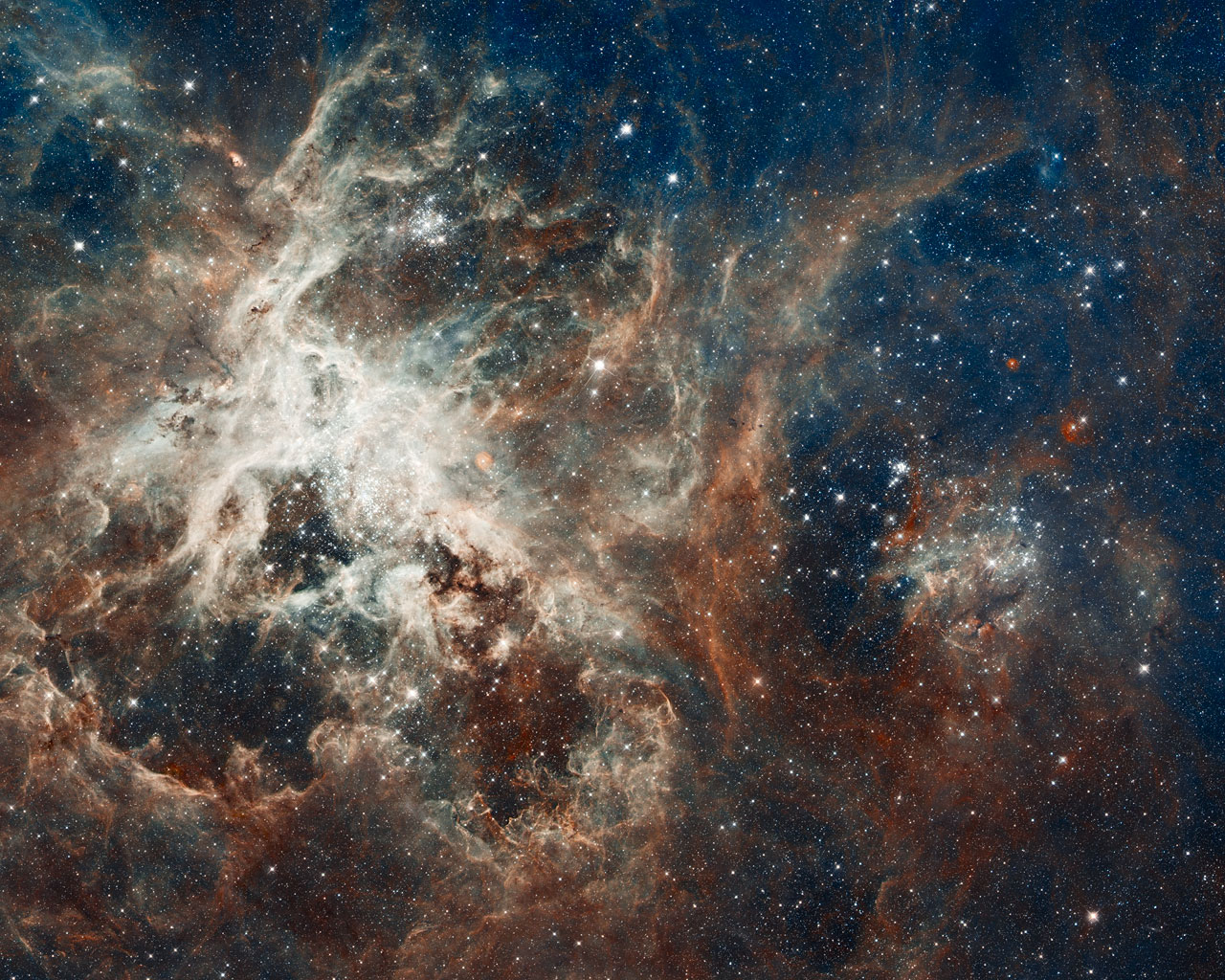
This is the Tarantula Nebula in the Large Magellantic cloud. It is about the same distance as the Orion nebula. It is also called 30 Doradus. The pink shows a massive emmision nebula, the dark regions are super nova remnants. R163 is the bright knot of stars left of the center, containing some of the largest, brightest and hottest stars known. This picture is one of the largest and most detailed mosiacs ever created by the Hubble Telescope. The picture is being celebrated in the 22 aniversary of the Hubble telescope.
Monday, May 14, 2012
Work Cited
Works Cited
Cooper, Keith. "Allan Sandage,
1926-2010." Allan Sandage, 1926-2010. Astronomy Now, 16 Nov. 2010.
Web. 14 May 2012. <http://www.astronomynow.com/news/n1011/16Sandage/>.
Tenn. "The Bruce Medalists:
Allan Sandage." The Bruce Medalists: Allan Sandage. Bruce
Medalists, 2010. Web. 14 May 2012.
<http://www.phys-astro.sonoma.edu/brucemedalists/sandage/index.html>.
Subscribe to:
Posts (Atom)